July 29, 2026
The global housing sector is experiencing a notable shift as property maintenance takes center stage in real estate management. Among the various components of residential upkeep, structural protection systems have seen a substantial surge in consumer interest and operational necessity. Homeowners, property managers, and building professionals are collectively recognizing that maintaining a secure overhead structure is fundamental to preserving property valuation and ensuring structural safety. This shifting paradigm is driven by an intersection of environmental shifts, economic variables, and architectural developments that make regular property assessments indispensable.
Mitigating Climate Change and Environmental Wear
Escalating weather severity stands as a primary catalyst driving the heightened focus on building envelope maintenance. Regional weather patterns have become increasingly volatile, exposing residential structures to unprecedented extremes. High-velocity winds, heavy convective precipitation, and severe hailstorms inflict immediate and cumulative stress on exterior building components. When structural surfaces are subjected to these intense environmental forces, standard materials can degrade far faster than their engineered lifespans predict, forcing property owners to seek professional intervention to restore structural integrity.
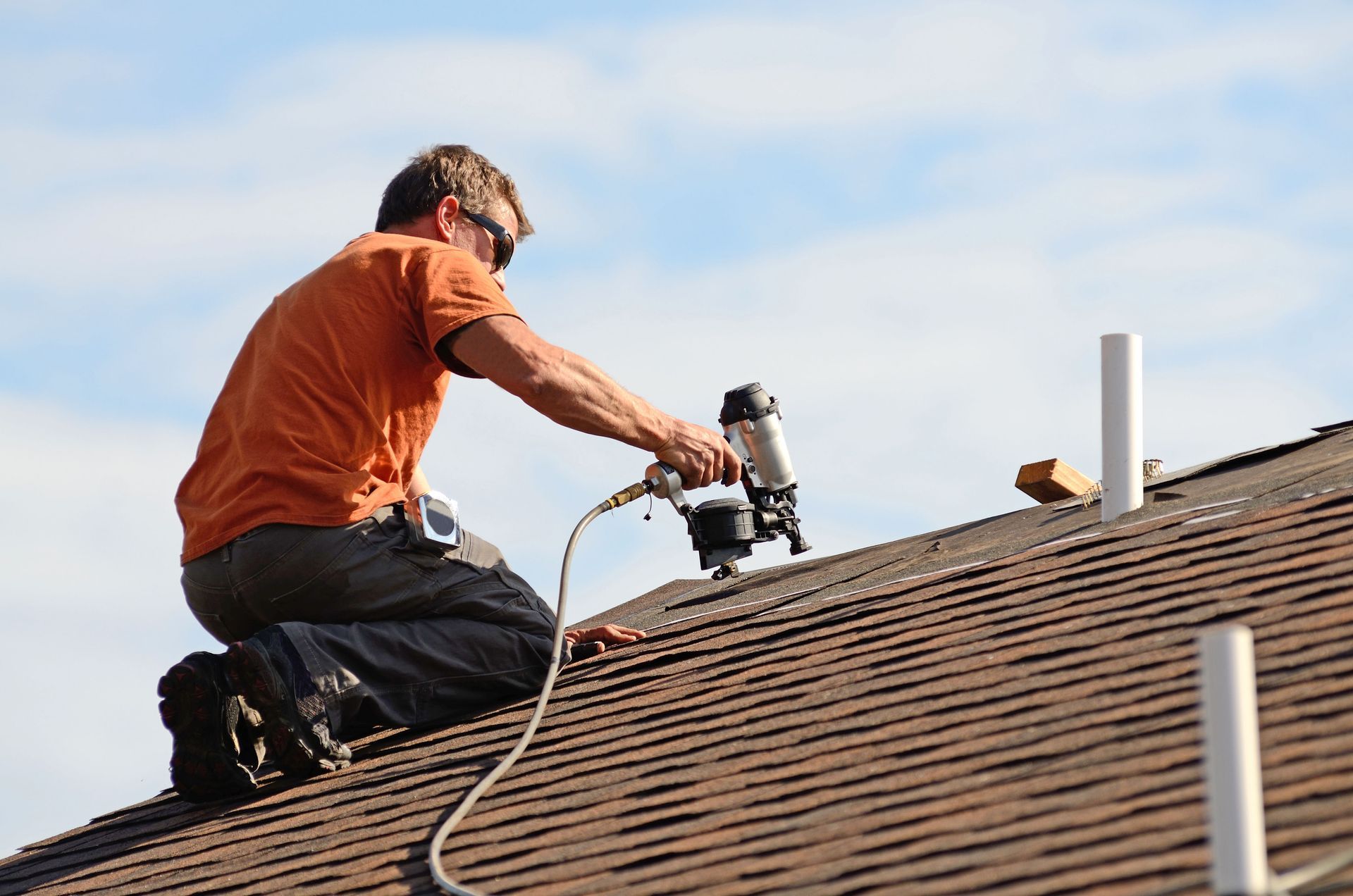
Beyond isolated storm events, systemic temperature fluctuations present a continuous challenge to material longevity. The cyclical expansion and contraction caused by intense summer heat waves followed by severe winter drops place immense thermal stress on shingle matrices, underlayments, and flashing seals. Over time, this thermal cycling compromises material elasticity, leading to micro-fissures and subsequent moisture intrusion. Homeowners frequently find themselves investing in professional roof repairs to protect internal living spaces from the cascading damage associated with these undetected entry points.
Furthermore, shifting atmospheric conditions have altered local humidity profiles, creating ideal microclimates for biological growth. Elevated moisture levels promote the proliferation of moss, algae, and fungal organisms on shaded structural surfaces. These biological agents do not merely alter visual aesthetics; they actively retain moisture against outer layers, accelerate rot in wooden substrates, and degrade protective granule coatings. Addressing these biological threats requires specialized remediation and structural reinforcement to prevent widespread degradation of the structural deck.
Maintaining Aging Infrastructure and Housing Stock
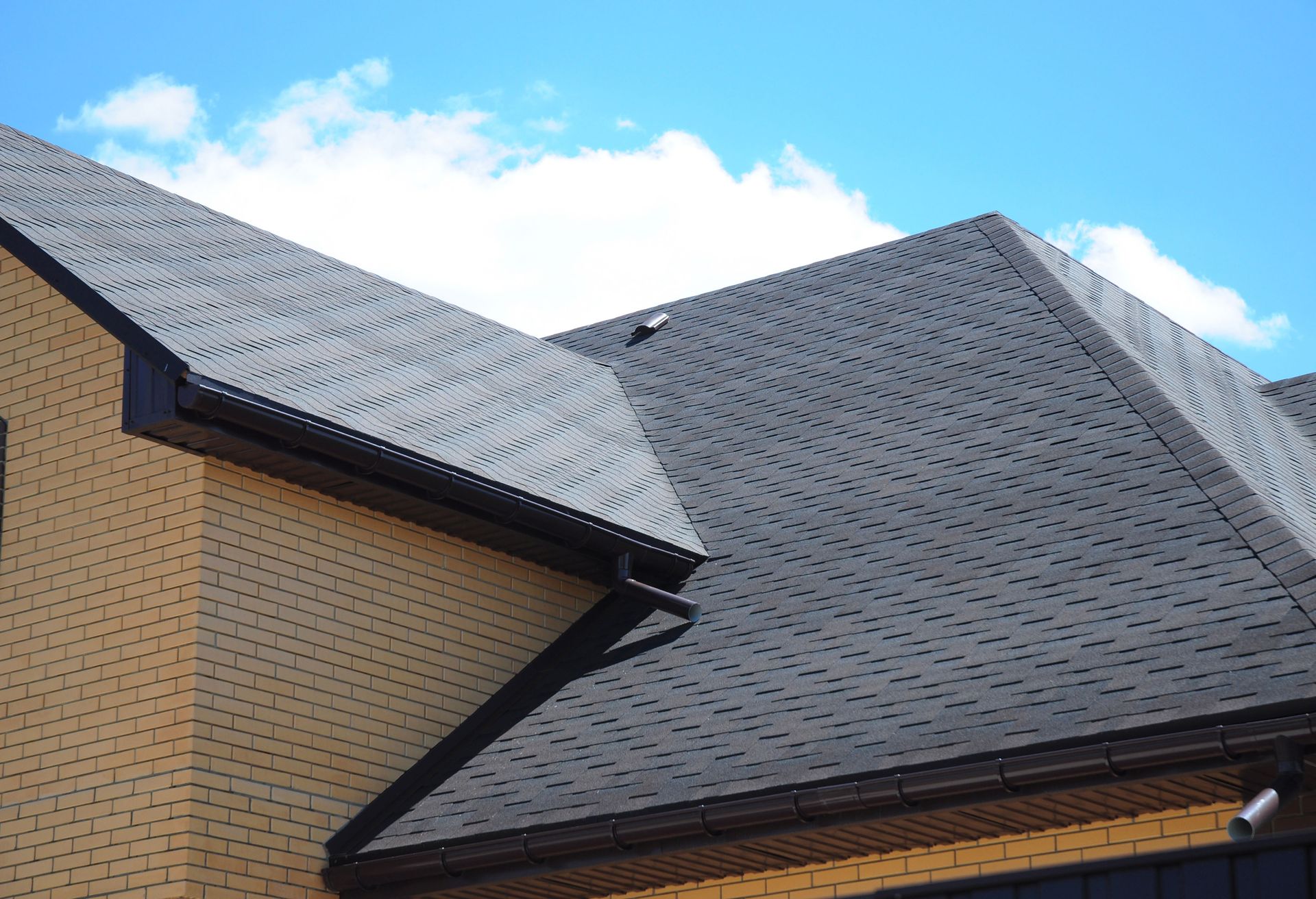
The structural profile of residential real estate across many regions reflects a significant percentage of mature housing stock. Properties constructed during previous decades are reaching critical operational milestones where primary structural components require comprehensive evaluation. Standard architectural materials possess finite operational timelines, and as these materials approach their design limits, signs of degradation, such as curling shingle profiles, compromised valleys, and degraded joint sealants, become prevalent across entire neighborhoods.
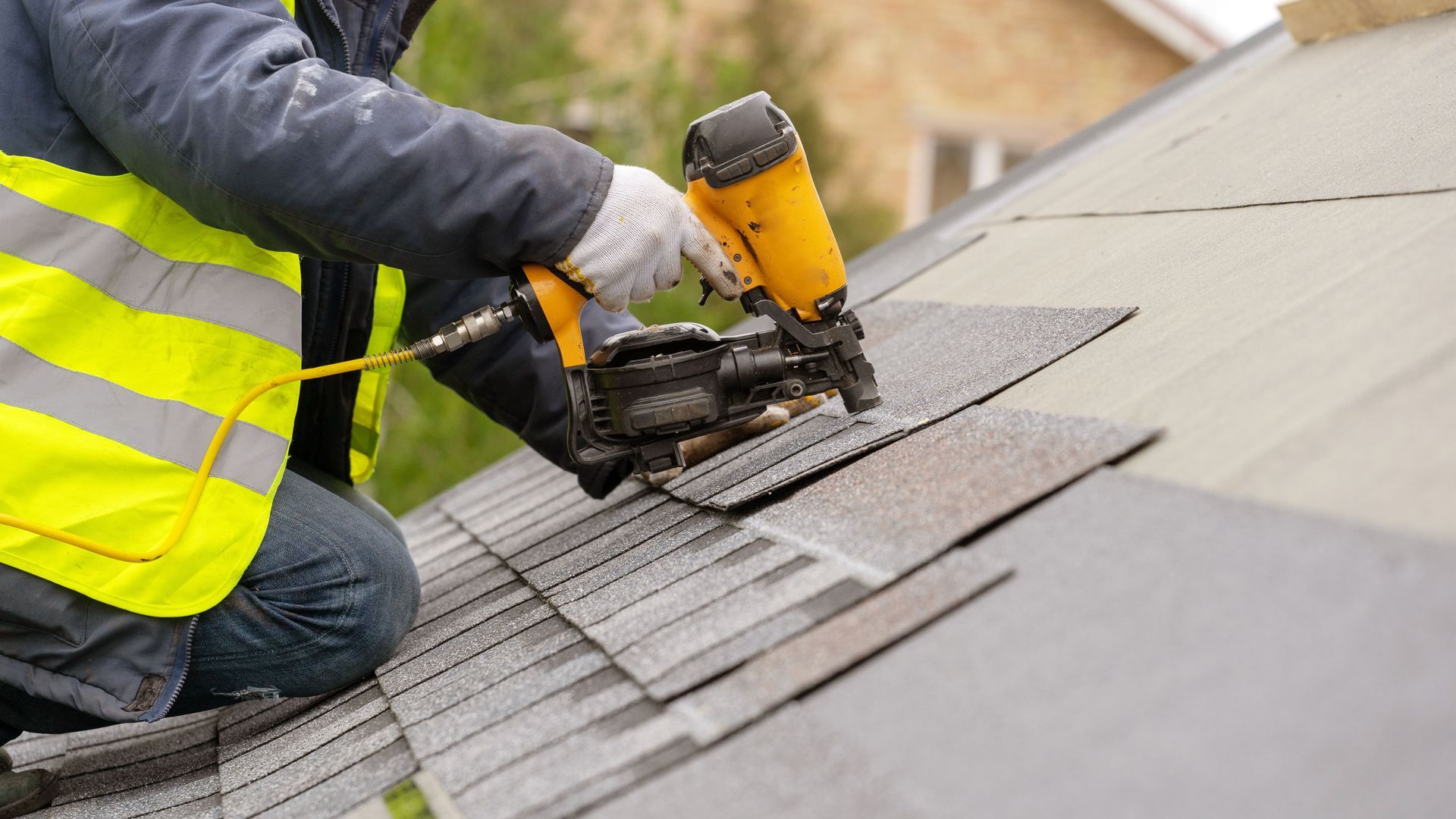
According to a poll by This Old House, over the past three years, nearly 31% of homeowners nationwide have pursued roof renovation, repair, or maintenance projects. This metric underscores a broader societal acknowledgment that residential infrastructure requires consistent capital reinvestment to remain functional and safe. Deferring necessary structural maintenance often results in a compounding accumulation of defects, turning minor localized issues into extensive structural challenges that demand major interventions affecting rafters, decking, and internal ceilings.
Preserving historic or architecturally significant properties introduces an additional layer of complexity to infrastructure management. Maintenance efforts for these buildings must carefully balance modern durability requirements with strict historical preservation standards. Sourcing authentic materials or identifying contemporary synthetic alternatives that replicate historical profiles while offering superior moisture resistance requires specialized expertise. Consequently, managing aging housing stock involves a sophisticated blend of traditional craftsmanship and structural engineering.
Adopting Advanced Technologies in Roofing Solutions
The integration of modern technology into residential construction has fundamentally altered how building envelopes are monitored and maintained. Internet of Things sensors and integrated diagnostic systems can now be embedded directly within structural layers to track real-time changes in moisture, temperature, and structural load. These advanced monitoring frameworks allow property managers to identify structural anomalies long before they manifest as visible interior leaks, shifting property care from a reactive model to a highly predictable, data-driven methodology.
Material science has also introduced highly resilient components designed to maximize thermal efficiency and structural longevity. Cool roofing systems utilizing highly reflective granule technology actively reject solar radiation, minimizing thermal transfer into living spaces and reducing localized cooling demands. Similarly, advanced composite shingles engineered from recycled polymers and rubber matrices offer superior impact resistance against hail, providing a robust defensive layer that minimizes the frequency of unexpected structural failures.
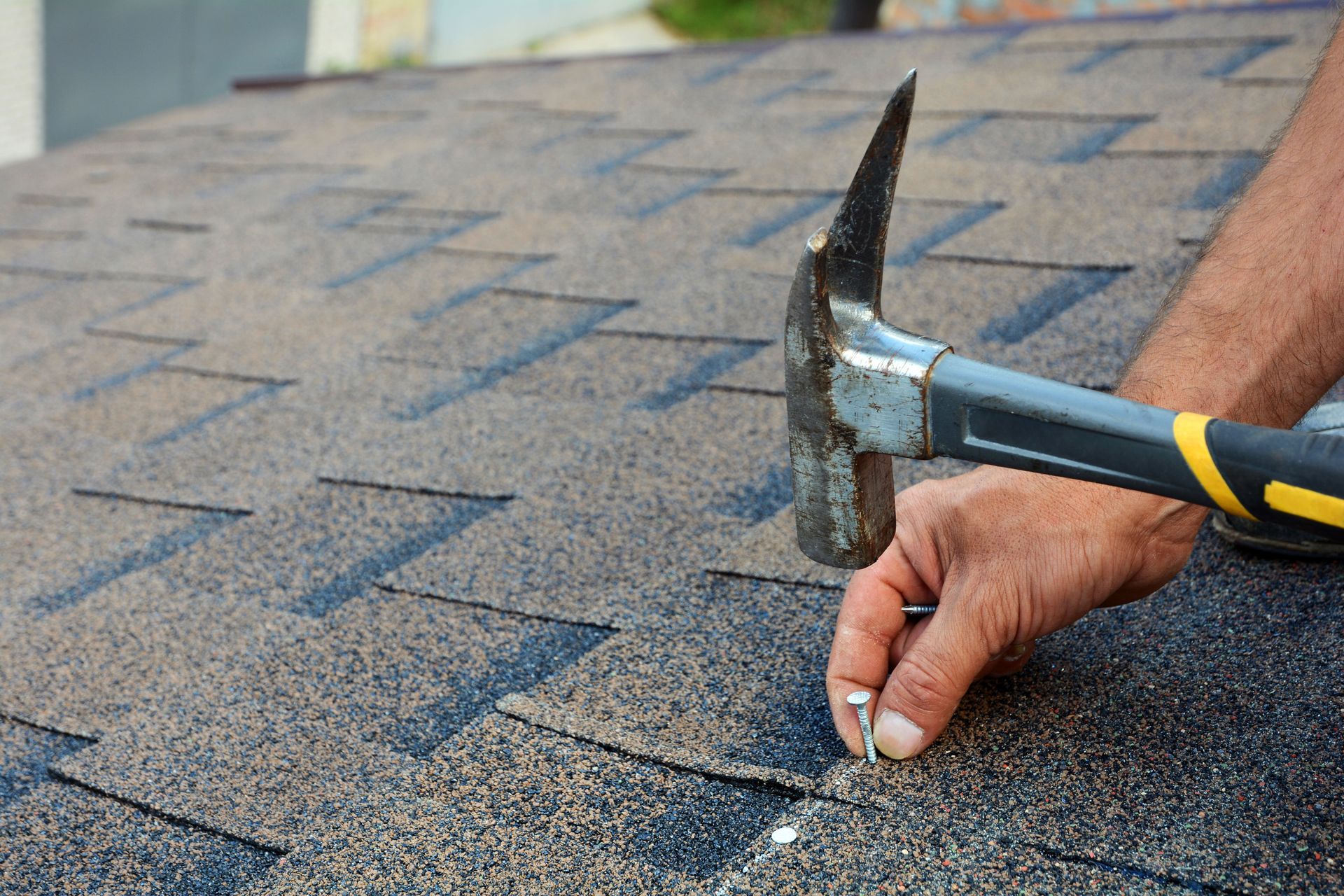
Diagnostic field practices have seen significant refinement through the deployment of unmanned aerial vehicles and thermal imaging technology. Diagnostic technicians leverage aerial drones equipped with high-resolution infrared cameras to safely conduct comprehensive surface surveys, pinpointing hidden moisture pockets and insulation deficiencies without requiring invasive physical testing. These specialized diagnostic practices play a vital role in streamlining the execution of roof repairs across both single-family residences and expansive commercial complexes.
Balancing Economic Pressures and Homeowner Priorities
Macroeconomic variations heavily influence consumer behavioral trends regarding capital property investments. During periods of fiscal uncertainty or inflationary pressure, managing household budgets requires careful categorization of discretionary versus essential expenditures. Because structural integrity directly impacts the habitability and safety of a residence, allocating funds for roof repairs remains a top priority for homeowners looking to prevent the much higher financial liabilities associated with unaddressed water damage.
Property insurance dynamics also heavily influence maintenance timelines and consumer choices. Insurance providers are increasingly adjusting policy guidelines, implementing stricter underwriting standards regarding the age and condition of residential structures. Property owners are recognizing that maintaining detailed records of regular professional inspections and minor structural updates is crucial for preserving comprehensive policy coverage and ensuring seamless claims processing following verifiable storm events.
Furthermore, municipal and federal frameworks are increasingly offering financial incentives to encourage sustainable residential upgrades. Tax credit programs, regional energy efficiency rebates, and sustainable development grants help offset the initial capital required to transition toward advanced, eco-friendly structural materials. These financial incentives make high-performance upgrades more accessible, allowing property owners to align long-term asset preservation with broader environmental efficiency goals.
Managing Seasonal Weather Patterns and Wear
Structural maintenance requirements naturally fluctuate in response to shifting seasonal demands throughout the calendar year. The transition from winter to spring typically triggers a significant increase in service requests as property owners assess the cumulative impact of ice dams, heavy snow loads, and prolonged freezing cycles. Accumulated winter stress frequently exposes underlying structural vulnerabilities, making early spring an essential period for comprehensive property restorations.
Conversely, preparing for late-summer storm systems and autumn weather variations requires an entirely different set of proactive maintenance behaviors. Ensuring that drainage systems are free from debris and that perimeter flashings are completely secure is vital for handling the sudden, intense downpours common during transitional seasons. Property owners often discover that the demand for roof repairs peaks during these seasonal transitions as communities prepare their properties to withstand upcoming weather extremes.
Strategic scheduling during off-peak periods allows property managers to optimize their maintenance budgets and secure flexible service timelines. Coordinating non-emergency structural updates during late spring or early autumn often yields logistical advantages, as field technicians face fewer weather-related delays. Understanding these regional seasonal patterns enables property owners to execute essential upkeep efficiently, extending the service life of their structural investments.
Prioritizing timely structural interventions ensures that minor wear items do not jeopardize the overall safety and value of a home. Investing in high-quality architectural solutions contributes to a more sustainable, energy-efficient, and resilient community infrastructure. For more information about the services that we offer, reach out to our incredible team at Donahue Roofing Co. today!