July 21, 2026
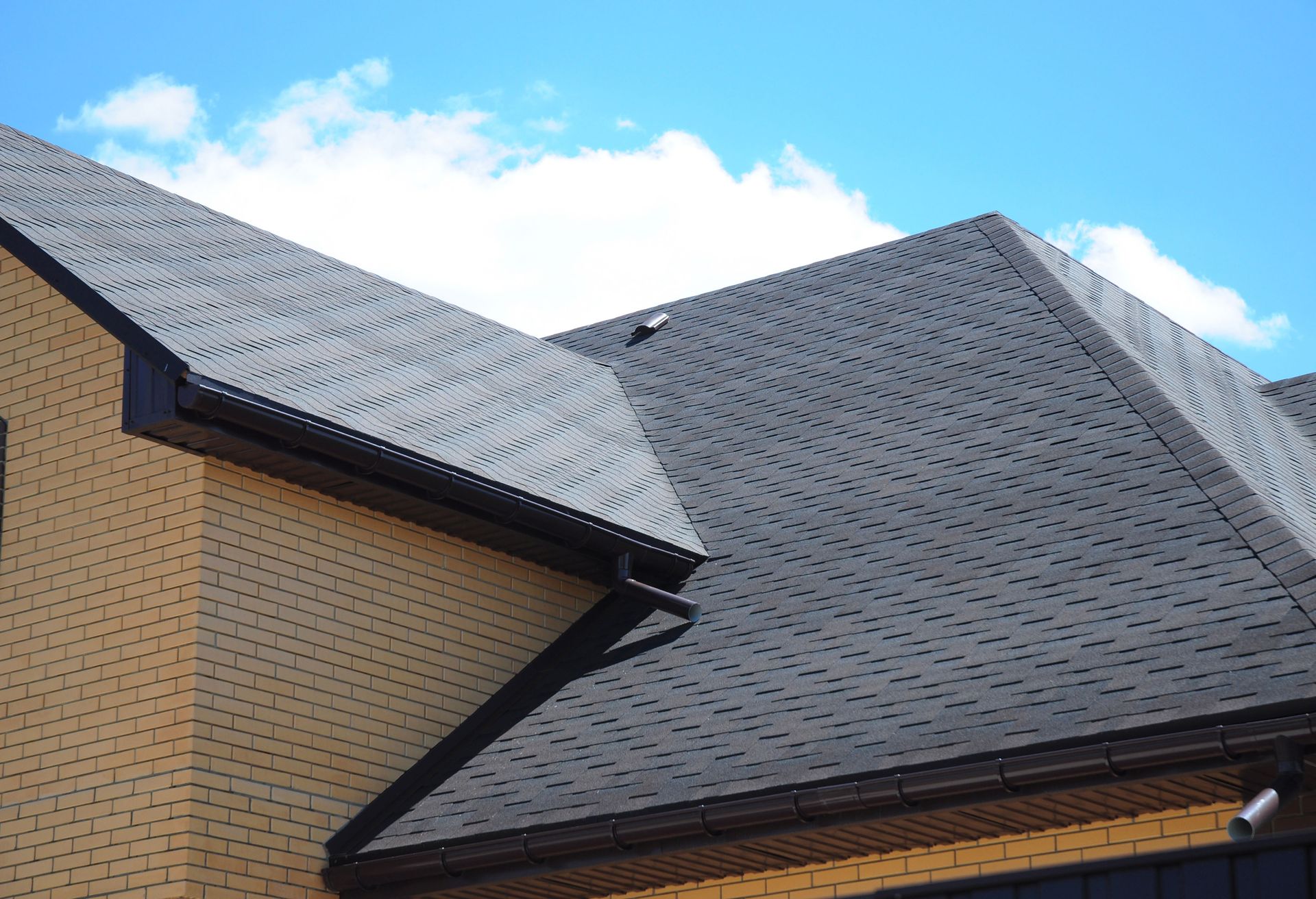
Your roof is one of the most important parts of your home, protecting everything beneath it from rain, wind, sun, and changing temperatures. Even the most durable roofing systems experience wear over time, and small issues can quickly grow into larger, more expensive repairs if they're ignored. Understanding the most common roofing problems can help homeowners recognize early warning signs and know when it's time to call experienced roofing contractors.
According to RubyHome.com, an average roof lasts between 20 and 50 years, depending on the type of roof and material quality. While that's a considerable lifespan, regular maintenance and prompt repairs play a significant role in helping a roof reach its full potential. Knowing what causes roofing problems and how professionals address them can help you protect your investment and avoid unnecessary damage.
Fixing Roof Leaks Before They Spread
Roof leaks are among the most common issues homeowners encounter. While a leak may first appear as a small water stain on the ceiling, the source of the problem isn't always directly above the visible damage. Water can travel along roof decking and structural components before it becomes noticeable inside the home.
Leaks often develop because of damaged shingles, deteriorated flashing, cracked vent boots, clogged valleys, or aging roofing materials. Severe weather can also loosen roofing components, creating openings where water can enter.
Professional
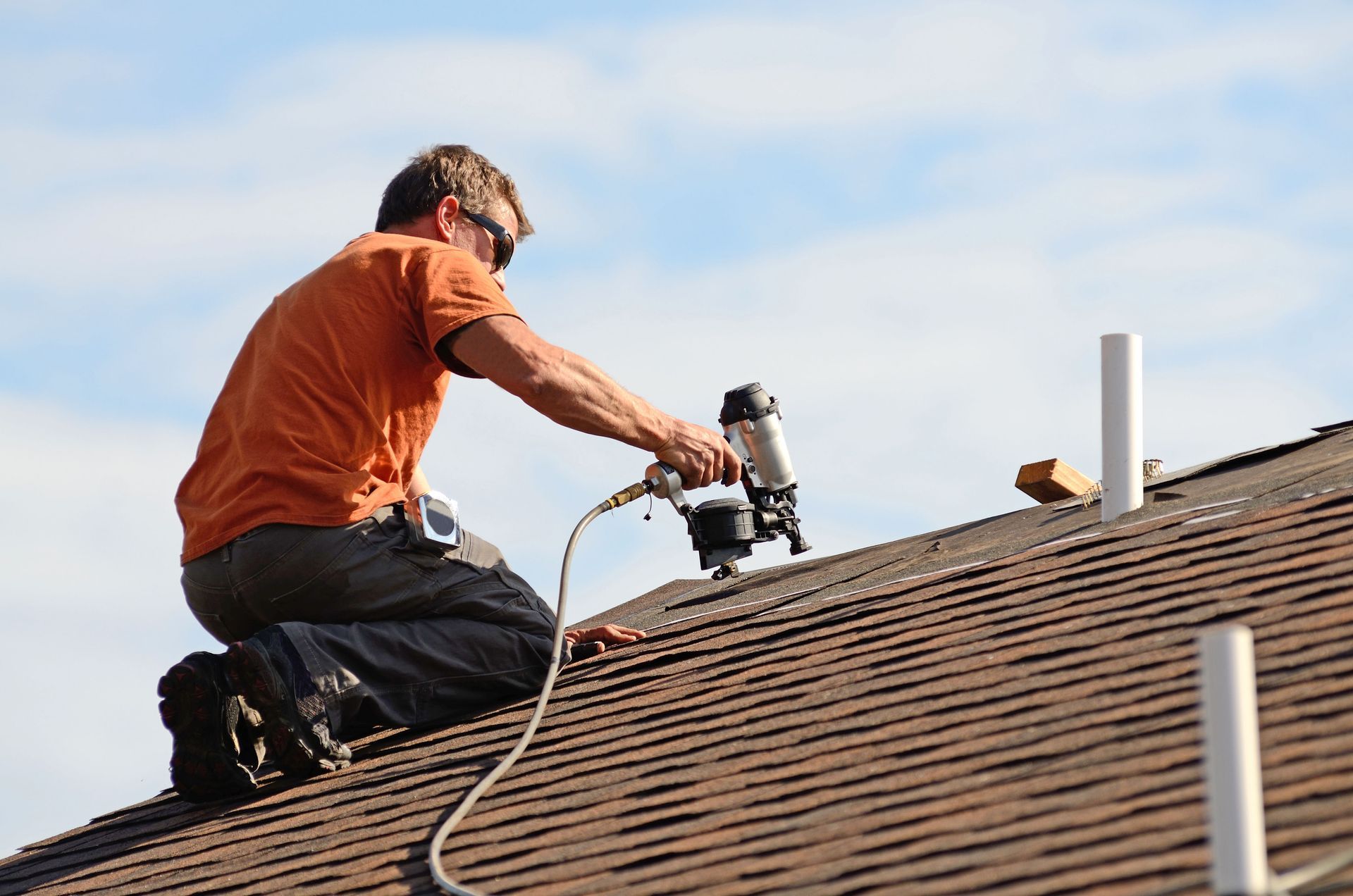
roofing contractors begin by locating the true source of the leak rather than simply repairing the visible damage. Once identified, they'll replace damaged shingles, install new flashing, reseal penetrations, or repair underlying materials as needed. Addressing the problem promptly helps prevent mold growth, wood rot, insulation damage, and costly interior repairs.
Replacing Missing or Damaged Shingles
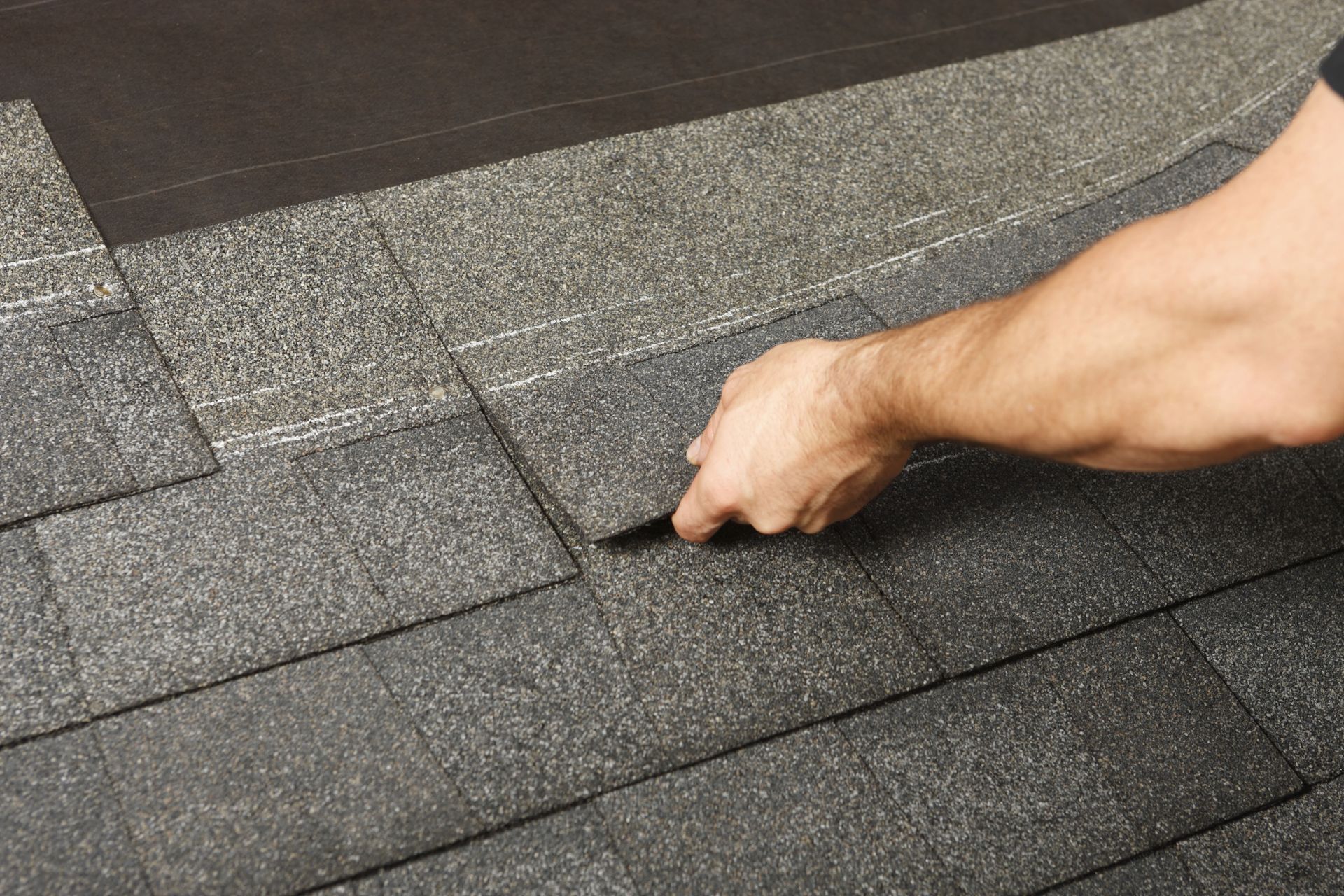
Shingles serve as the first layer of defense against the elements. High winds, hail, falling branches, and years of sun exposure can crack, curl, loosen, or completely remove shingles from the roof.
Missing shingles leave the roof vulnerable to moisture intrusion, while cracked or curling shingles no longer provide adequate protection. Even a few damaged shingles can allow water to reach the roof deck if left unattended.
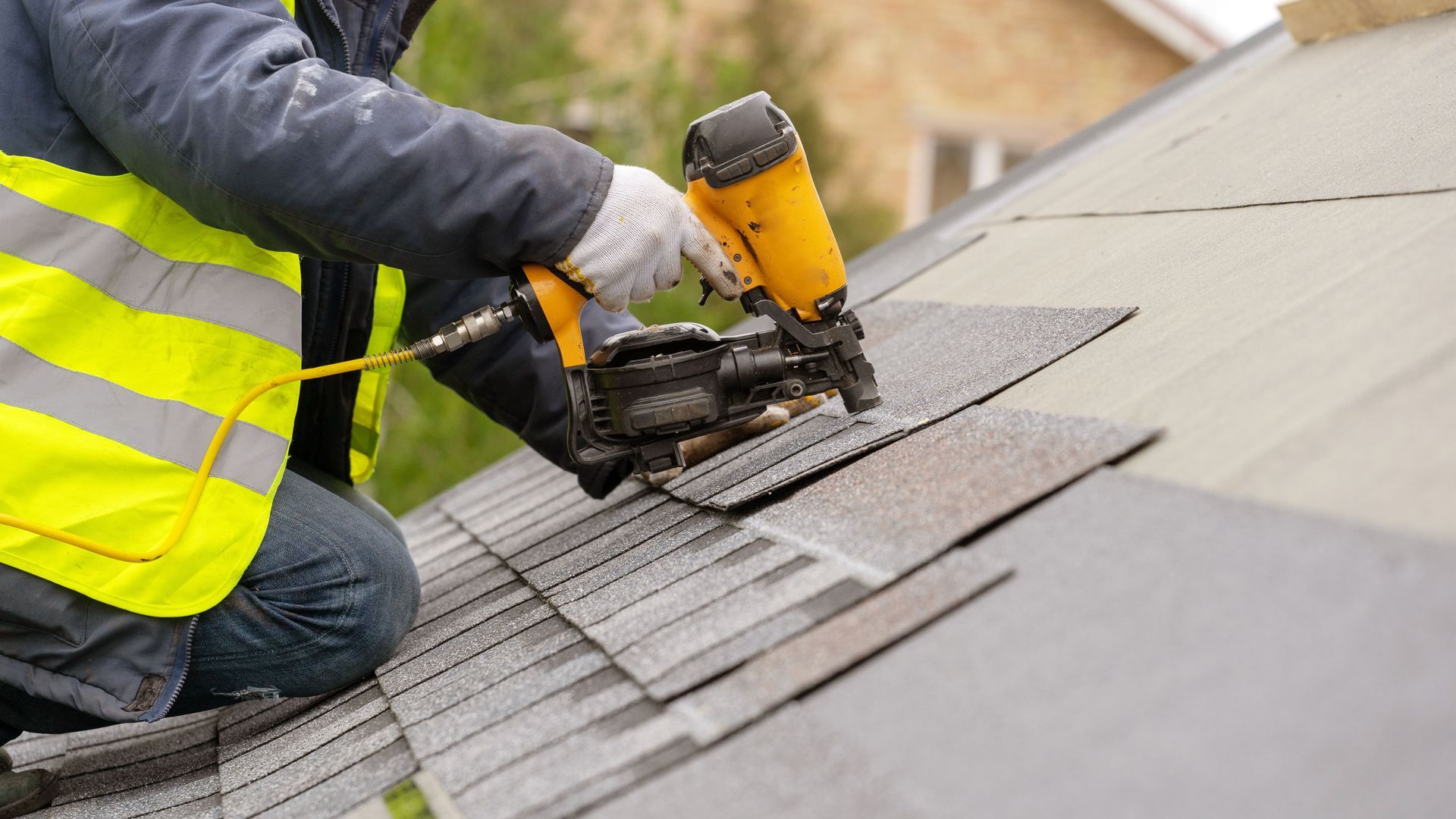
Fortunately, many shingle issues can be repaired without replacing the entire roof. Experienced roofing contractors carefully remove damaged shingles and install matching replacements while inspecting the surrounding area for additional damage. If widespread deterioration is present, they may recommend a roof replacement to restore the home's protection.
Repairing Damaged Flashing Around Roof Features
Flashing is the thin metal material installed around chimneys, skylights, vents, dormers, and roof valleys. Its purpose is to direct water away from vulnerable joints and prevent leaks.
Over time, flashing may corrode, separate from roofing materials, or become damaged during storms. Improper installation can also contribute to premature failure.
When flashing problems occur, water often enters the home around roof penetrations rather than through the roofing material itself. Professional repairs typically involve removing the damaged flashing, installing new properly fitted pieces, and sealing the surrounding materials to create a watertight barrier.
Replacing flashing early is often far less expensive than repairing water damage inside the home.
Correcting Poor Roof Ventilation
Many homeowners don't realize that ventilation plays a major role in roof performance. A poorly ventilated attic traps heat and moisture, creating conditions that can shorten the life of roofing materials.
During the summer, excessive attic heat can accelerate shingle deterioration and increase cooling costs. In colder months, trapped moisture can contribute to mold growth, wood decay, and insulation problems.
Roofing professionals evaluate both intake and exhaust ventilation to determine whether air is circulating properly throughout the attic. Solutions may include installing ridge vents, soffit vents, roof vents, or other ventilation improvements designed for the home's layout.
Proper ventilation helps regulate attic temperatures, reduce moisture buildup, and improve the overall longevity of the roofing system.
Repairing Storm Damage Quickly
Storms can affect a roof in many different ways. Strong winds may lift shingles, hail can bruise roofing materials, and heavy rain can expose weak areas that were previously unnoticed. Flying debris may also puncture the roof or damage flashing and gutters.
Some storm damage is immediately visible, while other problems develop gradually over time. Even if a roof appears intact from the ground, hidden damage may still exist.
After severe weather, it's wise to schedule an inspection with qualified roofing contractors who can safely evaluate the roof's condition. They'll document damage, recommend necessary repairs, and help restore the roof before moisture creates more extensive structural issues.
Resolving Gutter-Related Roofing Problems
Although gutters aren't technically part of the roof, they play an essential role in protecting it. Gutters direct rainwater away from the roof, siding, and foundation. When they're clogged with leaves, twigs, or debris, water can back up beneath roofing materials.
Overflowing gutters may also contribute to fascia damage, wood rot, basement moisture, and landscape erosion.
Fixing gutter-related roofing problems often involves cleaning debris, repairing sagging sections, resecuring fasteners, or replacing damaged gutter components. Keeping gutters clean throughout the year helps water flow properly and reduces unnecessary stress on the roof.
Addressing Sagging Roof Areas
A sagging roof should never be ignored. While minor unevenness may simply reflect the age of a home, noticeable sagging often indicates structural concerns that require immediate attention.
Common causes include prolonged water damage, weakened roof decking, damaged rafters, excessive weight from snow, or long-term deterioration.
Professional roof inspections determine whether the issue is cosmetic or structural. Repairs may involve replacing damaged framing members, reinforcing structural supports, installing new decking, or replacing sections of the roof that have sustained extensive damage.
Because structural issues can worsen over time, early intervention is essential for protecting both the roof and the home's overall stability.
Preventing Moss and Algae Growth
In shaded or humid environments, moss and algae can develop on roofing materials. While algae primarily affect appearance, moss retains moisture against the roof surface, potentially accelerating shingle deterioration.
Moss growth can lift shingles, allowing water to penetrate beneath them. If left untreated, this moisture exposure may shorten the roof's lifespan.
Professional roof cleaning removes moss and algae using techniques designed to protect roofing materials. In some cases, contractors may recommend installing algae-resistant shingles or zinc strips to reduce future growth.
Routine roof maintenance helps minimize biological growth and preserves both the appearance and performance of the roof.
Repairing Roof Valleys and Drainage Issues
Roof valleys are designed to channel large volumes of water toward gutters. Because they handle significant runoff, valleys often experience more wear than other sections of the roof.
Improper installation, deteriorated materials, or accumulated debris can interfere with drainage, allowing water to pool or seep beneath roofing materials.
Repairs typically involve replacing damaged valley flashing, removing debris, resealing vulnerable areas, or rebuilding sections of the valley to improve water flow. Proper drainage reduces the likelihood of leaks and extends the life of the entire roofing system.
Scheduling Regular Roof Inspections
Many roofing problems begin as small issues that aren't visible from the ground. Routine inspections help identify loose shingles, deteriorating flashing, clogged drainage areas, and other concerns before they become major repairs.
Professional inspections are especially valuable after severe storms and as roofs age. During an inspection, roofing contractors evaluate every major component of the roofing system, including shingles, flashing, vents, gutters, valleys, and structural elements.
By identifying developing problems early, homeowners often save money on repairs while extending the overall lifespan of their roof. Preventive maintenance also provides peace of mind, knowing the roof is prepared to withstand changing weather conditions.
Every roof experiences wear over time, but many common roofing problems can be repaired before they lead to extensive damage. Whether the issue involves missing shingles, flashing failures, storm damage, ventilation concerns, or drainage problems, addressing repairs promptly helps protect your home's structure and prolongs the life of your roofing system. Working with experienced roofing contractors gives homeowners confidence that problems will be properly diagnosed and repaired using proven techniques and quality materials. If you've noticed signs of roof damage or it's been a while since your last inspection, contact Donahue Roofing Co to schedule a professional evaluation and keep your roof performing at its best.